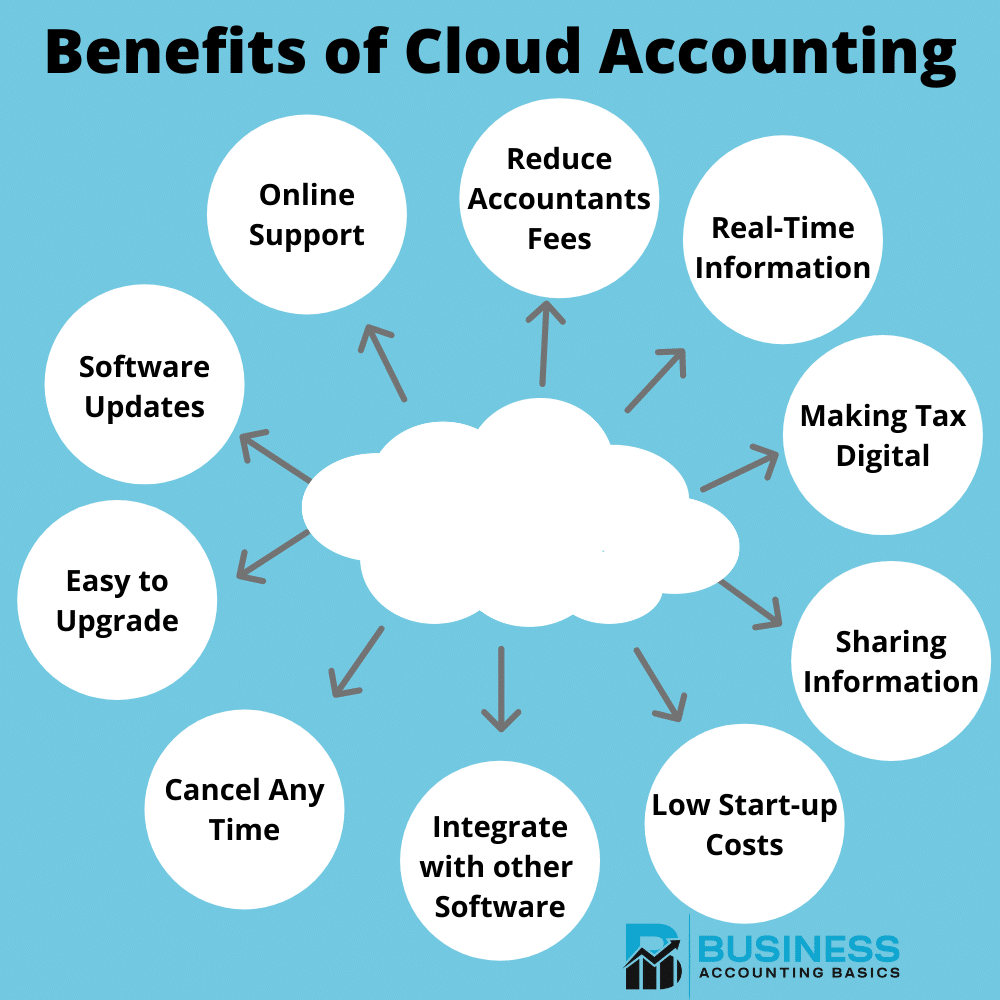
Welcome to the world of Cloud SMTP servers! Have you ever wondered about the benefits of using a cloud-based SMTP server for your email communications? Cloud SMTP servers offer a variety of advantages, including improved deliverability, scalability, and cost-effectiveness. In this article, we will explore the numerous benefits of utilizing a Cloud SMTP server for your email needs.
Overview of Cloud SMTP Servers
Cloud SMTP servers are a type of server that allows you to send emails over the internet. These servers are hosted in the cloud, which means they are not physically located on your premises. This type of setup offers various benefits, such as scalability, flexibility, and cost-effectiveness.
One of the key advantages of using a cloud SMTP server is scalability. With traditional on-premises servers, you may need to invest in additional hardware or software licenses as your email volume increases. However, with a cloud SMTP server, you can easily scale up or down your email sending capacity to meet your needs. This flexibility is especially important for businesses that experience seasonal fluctuations in email volume.
Another benefit of using a cloud SMTP server is flexibility. Because these servers are hosted in the cloud, you can access them from anywhere with an internet connection. This means you can send emails from your office, your home, or even on the go. Additionally, many cloud SMTP providers offer APIs that allow you to integrate the server with other software applications, such as CRM systems or marketing automation platforms.
Cost-effectiveness is also a significant advantage of using a cloud SMTP server. With traditional on-premises servers, you may need to purchase hardware, software licenses, and pay for ongoing maintenance and support. In contrast, cloud SMTP servers typically operate on a pay-as-you-go model, where you only pay for the resources you use. This can result in significant cost savings, especially for businesses with fluctuating email volumes.
Finally, using a cloud SMTP server can also improve your email deliverability. Many cloud SMTP providers have established relationships with internet service providers (ISPs) and email providers, which can help ensure that your emails are delivered successfully. Additionally, these providers often have built-in tools that monitor your email delivery and provide insights into ways to improve your email performance.
In conclusion, cloud SMTP servers offer a range of benefits, including scalability, flexibility, cost-effectiveness, and improved email deliverability. By leveraging the power of the cloud, businesses can enhance their email communication and drive better results. Whether you are a small business or a large enterprise, using a cloud SMTP server can help you streamline your email sending process and achieve your business goals.
Benefits of Using Cloud SMTP Servers
There are many benefits to using cloud SMTP servers for your email sending needs. Cloud SMTP servers offer businesses a reliable and secure way to send emails to customers, clients, and colleagues. With cloud SMTP servers, you can send emails quickly and efficiently, without worrying about downtime or delivery issues. Here are some of the key benefits of using a cloud SMTP server:
1. Scalability: One of the biggest benefits of using a cloud SMTP server is the ability to easily scale your email sending capacity as your business grows. With a cloud SMTP server, you can quickly add or remove email sending capacity based on your needs, ensuring that your emails are delivered in a timely manner.
2. Cost-Effective: Cloud SMTP servers are also cost-effective, as they typically charge based on the volume of emails sent. This means that you only pay for the emails you send, rather than having to invest in expensive hardware or software upfront. Additionally, cloud SMTP servers often offer pay-as-you-go pricing plans, allowing you to scale your email sending costs as your business grows.
3. High Deliverability Rates: Cloud SMTP servers are designed to deliver emails quickly and efficiently, ensuring that your messages reach their intended recipients in a timely manner. With reliable delivery rates, you can trust that your emails will be delivered without delay or getting lost in spam filters.
4. Enhanced Security: Cloud SMTP servers offer enhanced security features to protect your emails and data from unauthorized access. With encryption and authentication protocols in place, you can rest assured that your emails are safe and secure while in transit.
5. Easy Integration: Cloud SMTP servers are easy to integrate with your existing email systems and platforms, making it simple to start sending emails right away. Whether you are using a CRM system, marketing automation platform, or other email tools, cloud SMTP servers can be seamlessly integrated to streamline your email sending process.
6. 24/7 Support: Many cloud SMTP server providers offer 24/7 customer support to assist you with any issues or questions that may arise. With round-the-clock support, you can get help whenever you need it, ensuring that your email sending operations run smoothly at all times.
Overall, using a cloud SMTP server can provide your business with a reliable, secure, and cost-effective solution for sending emails. With scalability, high deliverability rates, enhanced security, easy integration, and 24/7 support, cloud SMTP servers offer a range of benefits that can help improve your email communication efforts. Consider switching to a cloud SMTP server to take advantage of these benefits and streamline your email sending process.
Setting Up a Cloud SMTP Server
Setting up a Cloud SMTP Server can seem like a daunting task at first, but with the right guidance, it can be a relatively straightforward process. To begin, you will need to choose a Cloud SMTP provider that meets your needs and budget. Some popular options include SendGrid, Amazon SES, and Mailgun.
Once you have chosen a provider, you will need to sign up for an account and set up your domain. This typically involves verifying ownership of your domain and setting up necessary DNS records. Each provider will have specific instructions on how to do this, so be sure to follow them carefully to ensure a seamless setup.
After your domain is set up, you will need to configure your SMTP server settings. This includes setting up your sending domain, configuring your SMTP username and password, and setting up any necessary authentication methods. Again, each provider will have specific instructions on how to do this, so be sure to follow them closely.
One important step in setting up a Cloud SMTP server is testing your configuration. This involves sending test emails to ensure that your emails are being delivered correctly and that they are not being marked as spam. Most providers offer tools to help with this, so be sure to take advantage of them to ensure a successful setup.
Finally, once your Cloud SMTP server is set up and running smoothly, it is important to monitor its performance regularly. Keep an eye on your delivery rates, open rates, and spam complaints to ensure that your emails are reaching their intended recipients. If you notice any issues, be sure to address them promptly to maintain a positive sender reputation.
Top Cloud SMTP Server Providers
There are numerous cloud SMTP server providers in the market, each with their own unique features and offerings. As businesses increasingly rely on email for communication and marketing purposes, choosing the right SMTP server provider is crucial. Here are some of the top cloud SMTP server providers:
1. SendGrid: SendGrid is a popular choice among businesses for its reliable delivery of transactional and marketing emails. It offers advanced features such as email analytics, A/B testing, and real-time analytics. With a user-friendly interface and scalable infrastructure, SendGrid is a preferred choice for businesses of all sizes.
2. Amazon SES: Amazon Simple Email Service (SES) is a cloud-based SMTP server offered by Amazon Web Services. It is known for its high deliverability rates, scalability, and cost-effectiveness. Amazon SES also provides features such as email authentication, feedback loops, and dedicated IP addresses for better email reputation.
3. Mailgun: Mailgun is another popular choice for businesses looking for a reliable cloud SMTP solution. It offers features such as email validation, email parsing, and inbound routing. Mailgun’s RESTful API makes it easy to integrate with existing systems and automate email workflows.
4. SparkPost: SparkPost is a leading cloud SMTP server provider known for its high deliverability rates and advanced email optimization features. With SparkPost, businesses can create personalized and engaging email campaigns that drive conversions. The platform also offers real-time analytics and powerful APIs for custom integrations.
When choosing a cloud SMTP server provider, it is important to consider factors such as deliverability rates, scalability, ease of use, and pricing. By selecting the right provider that meets your business needs, you can ensure that your email communications are reliable and effective.
Ensuring Security with Cloud SMTP Servers
When it comes to using cloud SMTP servers for sending emails, security is a top concern for many businesses. Cloud SMTP servers offer numerous security features to ensure that your emails are protected from unauthorized access and cyber threats.
One of the most important security features of cloud SMTP servers is encryption. Encryption converts your emails into a code that only the intended recipient can decode, ensuring that your messages remain confidential. Cloud SMTP servers use industry-standard encryption protocols such as TLS (Transport Layer Security) and SSL (Secure Sockets Layer) to protect your emails from interception by hackers.
Another important security measure is authentication. Cloud SMTP servers use authentication protocols such as SPF (Sender Policy Framework) and DKIM (DomainKeys Identified Mail) to verify the sender’s identity and prevent email spoofing. These protocols help ensure that your emails are genuine and not forged by cybercriminals.
Additionally, cloud SMTP servers offer advanced spam and malware protection to keep your inbox free from malicious emails. These servers use sophisticated filtering techniques to detect and block spam, phishing attempts, and other types of malware before they reach your inbox. This helps protect your data and prevent cybersecurity threats.
Cloud SMTP servers also provide IP reputation monitoring to detect any unusual activity on your account. This feature helps prevent unauthorized access and ensures that your emails are delivered securely. In case of any suspicious activity, the server will alert you and take necessary steps to safeguard your account.
Furthermore, many cloud SMTP servers offer real-time monitoring and logging of email traffic to track any suspicious behavior. This allows you to identify any unusual patterns or anomalies in your email activity and take immediate action to protect your data. Cloud SMTP servers also provide detailed reports and analytics to help you understand email trends and improve your email security measures.
Originally posted 2025-07-08 14:09:53.